A Call to Integrate Pest Management into Healthcare Safety
Every year on September 17, the world comes together to observe World Patient Safety Day, a global initiative by the World Health Organization (WHO) that champions safer healthcare systems for all. This year’s theme — “Safe Care for Every Newborn and Every Child”, with the compelling slogan “Patient safety from the start!” — calls attention to a population often voiceless in their care: newborns and children.
While healthcare systems strive to provide accurate diagnoses, effective medications, and well-trained professionals, an often-overlooked threat continues to undermine patient safety — pests. Insects and rodents may not appear on medical charts, but their presence in healthcare environments poses serious risks to infection control, hygiene, and the overall well-being of patients, particularly infants and children.

Understanding World Patient Safety Day
World Patient Safety Day was officially established in 2019 through the WHA Resolution 72.6, marking a global commitment to reducing medical harm and enhancing patient care. The observance on September 17 is now a rallying point for governments, civil society, healthcare professionals, and patients alike to join hands in creating safer, more resilient health systems.
The 2025 theme focuses on paediatric and neonatal safety, emphasizing the vulnerability of infants and children, who rely completely on caregivers, health systems, and environmental safety for their survival and development.
The Hidden Risk: How Pests Undermine Patient Safety
Patient safety doesn’t begin and end with sterile equipment or skilled clinicians — it begins with the environment where care is provided. In both high-end hospitals and community clinics, common pests such as cockroaches, rodents, flies, ants, and mosquitoes create health hazards that disproportionately affect newborns and children.
Key Threats from Pests in Healthcare and Home Settings:
- Rodents contaminate food, surfaces, and medical supplies with dangerous pathogens such as Salmonella and Lassa fever virus.
- Cockroaches carry E. coli, Staphylococcus, and other harmful bacteria, increasing the risk of hospital-acquired infections (HAIs).
- Flies transmit diseases by landing on wounds, medication, and instruments.
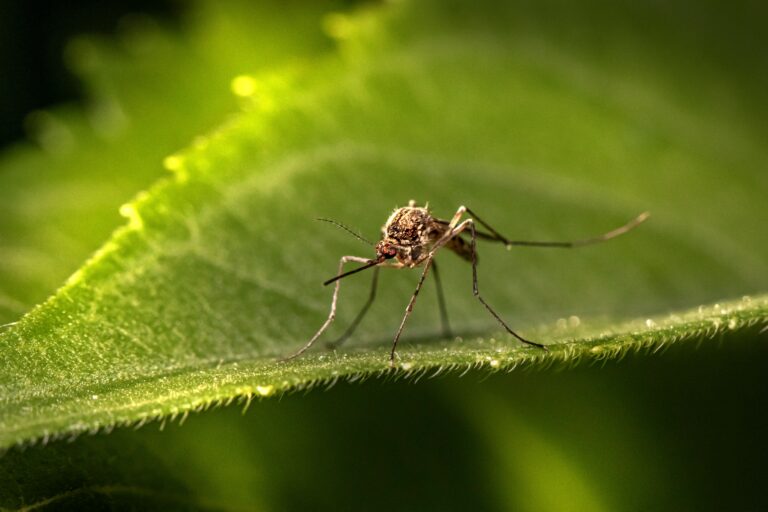
- Mosquitoes, vectors for malaria and dengue, contribute significantly to child morbidity and mortality, especially in Africa.
- Ants infiltrate sterile areas, sometimes even attacking vulnerable patients in neonatal intensive care units (NICUs).
For children — whose immune systems are still developing — even minor exposures can escalate into life-threatening complications. A single insect bite, an infected feeding bottle, or a contaminated hospital ward could be fatal.

Integrated Pest Management (IPM): A Critical Pillar of Patient Safety
To safeguard patient health, particularly for newborns and children, Integrated Pest Management (IPM) must become a standard healthcare practice, not an afterthought.
How IPM Supports Safer Healthcare:
- Infection Prevention & Control (IPC): Pest-free environments reduce the spread of infectious diseases within healthcare settings.
- Protection of Food and Medicine: Ensures nutrition and medication remain uncontaminated, safe, and effective.
- Waste & Sanitation Management: Reduces pest breeding grounds, cutting down on nosocomial infections.
- Community Health Protection: Vector control in surrounding communities lowers disease incidence before children even enter the healthcare system.
In Nigeria and across Africa, pest-related diseases like malaria, typhoid, and Lassa fever continue to plague healthcare outcomes, especially for children under five. Many healthcare facilities struggle with outdated infrastructure, poor waste management, and limited pest control protocols — creating environments where pests thrive and patients suffer.
It’s time we shift pest management from a facility maintenance issue to a critical public health intervention.
A Call to Action: Building a Culture of Safety Together
Achieving “Patient safety from the start” requires cross-sector collaboration between healthcare, environmental safety, pest control, and public policy.
Here’s what each sector can do:
- Hospitals & Clinics:
- Implement routine pest monitoring and fumigation schedules.
- Train staff on recognizing and preventing pest infestations.
- Invest in child-safe pest control solutions in NICUs, paediatric wards, and maternity units.
- Government & Policymakers:
- Enforce regulations linking pest control with patient safety and infection prevention.
- Fund pest control programs in public hospitals, especially in rural areas.
- Include pest management in national health safety audits.
- Parents & Caregivers:
- Practice good hygiene at home.
- Report unsafe hospital conditions.
- Learn about pests that can harm children and how to prevent infestations
- .Pest Management Professionals:
- Partner with healthcare providers to offer child-safe, hospital-grade pest solutions.Educate clients about the health risks pests pose, especially in paediatric settings.
Conclusion: Patient Safety Begins with Environmental Safety
World Patient Safety Day 2025 is more than a date on the calendar — it’s a global reminder that children deserve safe beginnings. If we are to truly honor the theme “Safe Care for Every Newborn and Every Child,” then we must look beyond stethoscopes and prescriptions and into the hidden corners where pests threaten recovery and survival.
By recognizing pest control as a vital component of patient safety, especially for vulnerable populations, we open the door to healthier outcomes, stronger systems, and a safer future for the next generation.
Let’s make “Patient safety from the start” more than a slogan — let’s make it a reality, one clean, pest-free healthcare environment at a time.