
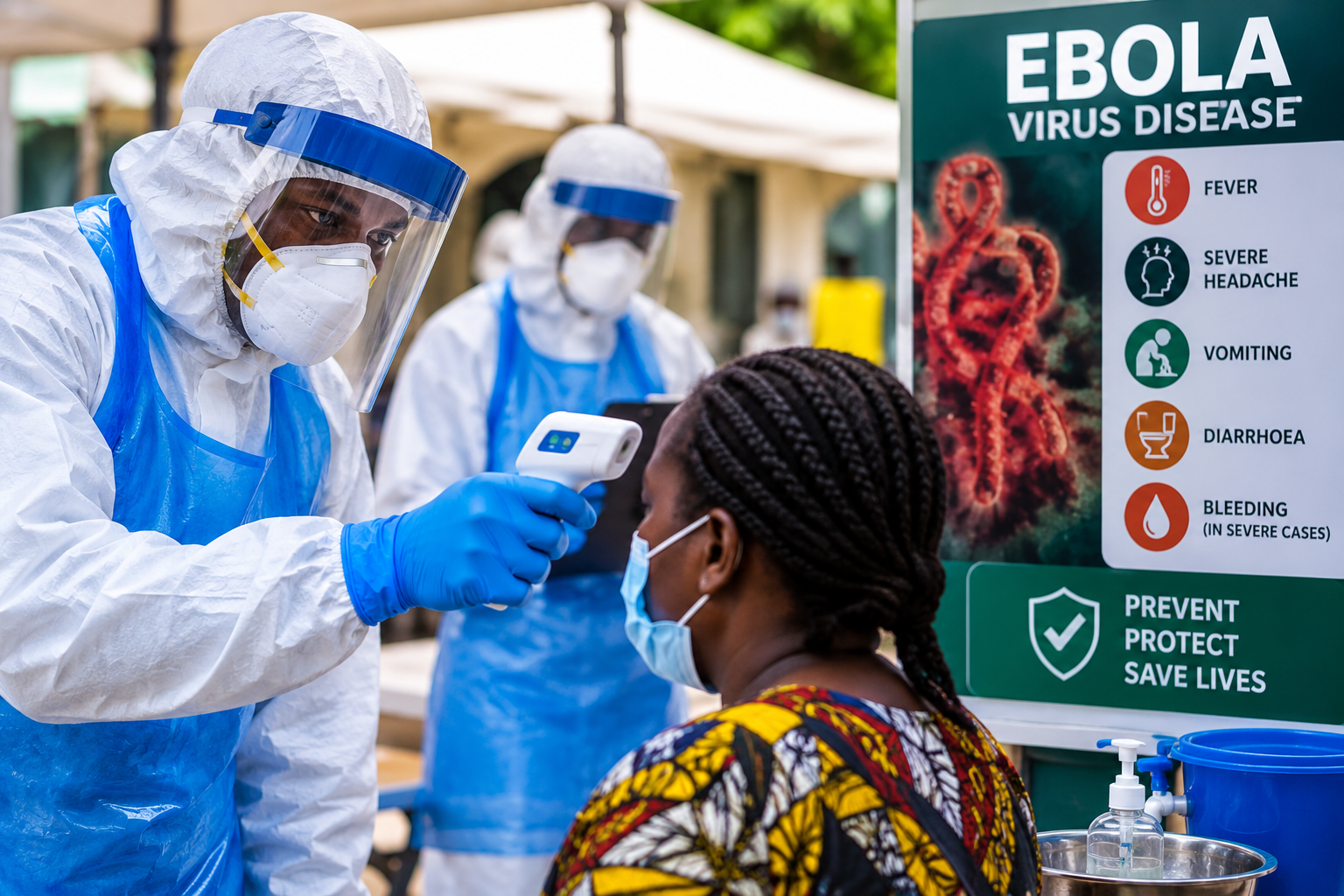
Ebola is a serious infectious disease that can cause severe illness and death. Following the reported confirmation of a case of Bundibugyo virus disease in Abuja on 20 October 2026, understanding the disease has become particularly important for Nigerians, healthcare workers, businesses and communities.
Public health authorities, including the Nigeria Centre for Disease Control and Prevention (NCDC), the World Health Organization (WHO) and the Africa Centres for Disease Control and Prevention (Africa CDC), emphasise early detection, appropriate medical care, infection prevention and effective contact tracing as essential measures for controlling Ebola outbreaks.
Although Ebola is dangerous, accurate information can help people recognise potential warning signs, understand how the disease spreads and respond appropriately to possible exposure. Public awareness is particularly important during an outbreak, when misinformation and fear can spread quickly.
This article explains what Ebola is, how it is transmitted, the symptoms to look out for, how the disease is diagnosed and treated, and the practical steps individuals, families and organisations can take to reduce the risk of infection.
What Is Ebola?
Ebola disease is a severe viral illness caused by viruses belonging to the Orthoebolavirus genus. The disease can affect multiple organs and, in serious cases, lead to complications such as shock and organ failure.
Ebola was first identified in 1976 during outbreaks in what are now the Democratic Republic of the Congo and South Sudan. Since then, several outbreaks have occurred in different parts of Africa, highlighting the importance of strong public health surveillance, rapid diagnosis and coordinated emergency responses.
Several distinct viruses can cause Ebola disease, including Ebola virus, Sudan virus and Bundibugyo virus. These viruses are related, but they are not interchangeable when it comes to vaccines and specific treatments.
The reported case in Nigeria involves Bundibugyo virus, which causes Bundibugyo virus disease (BVD). This distinction matters because medical interventions developed for one Ebola virus cannot automatically be assumed to work against another.
According to WHO, the average case fatality rate across historical Ebola disease outbreaks has been approximately 50%, although the rate has varied considerably between outbreaks. This figure reflects past outcomes and should not be interpreted as a prediction for any individual patient.
The severity and impact of an outbreak depend on several factors, including the virus involved, access to appropriate healthcare, how quickly cases are identified and how effectively further transmission is prevented.
The public should therefore take official health guidance seriously without assuming that every fever, traveller or suspected exposure represents a confirmed infection.
How Does Ebola Spread?
Understanding how Ebola is transmitted is one of the most important steps towards preventing infection. The disease does not spread readily through shared air in the way that measles does. Human transmission primarily occurs through direct contact with the blood or other body fluids of an infected person who is experiencing symptoms, or through materials contaminated with those fluids.
These fluids may include blood, vomit, faeces, urine, saliva, breast milk and semen. Infection can occur when infectious material enters the body through broken skin or the eyes, nose or mouth. This makes caring for an infected person without appropriate protection particularly hazardous.
For example, a caregiver who cleans up vomit or blood without suitable protective equipment may be exposed to the virus. The same concern applies to healthcare workers, cleaners and others who handle contaminated materials without following established infection prevention procedures.
Contaminated objects can also contribute to transmission. Bedding, clothing, medical equipment, needles and other items may pose a risk if they have been contaminated with infectious body fluids. Appropriate cleaning, disinfection, waste management and hand hygiene are therefore essential, particularly in healthcare environments and during outbreak response.
However, not every surface in a hospital, public building or healthcare facility should automatically be considered dangerous. The relevant concern is whether contamination has occurred and whether exposure could allow the virus to enter the body.
Ebola infection has also been associated with contact with infected animals. Fruit bats are considered likely natural reservoirs of Ebola viruses, while human infections may occur following contact with infected wildlife, including certain primates. Handling sick or dead wild animals, butchering infected animals or coming into contact with their blood and tissues can present a risk.
Another important transmission route involves unsafe burial practices. People who die from Ebola may have high levels of the virus in their body fluids. Washing, preparing or directly handling an infected body can expose family members, funeral workers and mourners. Public health authorities therefore arrange safe and dignified burial procedures when necessary.
Healthcare facilities also have an important role in preventing transmission. Without appropriate protective equipment, training and infection prevention procedures, workers may be exposed while caring for patients, collecting specimens, cleaning treatment areas or managing infectious waste.
Can Ebola spread before symptoms appear?
According to WHO, people infected with Ebola are not considered infectious before symptoms begin. The incubation period—the time between infection and the appearance of symptoms—is generally between two and 21 days.
People identified as contacts should nevertheless comply with the monitoring instructions provided by public health authorities. Being identified as a contact does not automatically mean that someone is infected.
What Are the Signs and Symptoms of Ebola?
One of the challenges in recognising Ebola is that its early symptoms can resemble those of common illnesses, including malaria, typhoid fever and other infections.
Symptoms generally develop suddenly within two to 21 days after infection. Early signs may include fever, severe headache, unusual weakness, fatigue, muscle and joint pain, sore throat and loss of appetite. These symptoms are not unique to Ebola, so they cannot confirm the disease on their own.
As the illness progresses, some patients develop gastrointestinal symptoms such as nausea, vomiting, diarrhoea and abdominal pain. These complications can cause substantial fluid loss and dehydration, making prompt medical assessment and appropriate supportive care particularly important.
Other possible manifestations include skin rash, red eyes, hiccups, confusion and signs of impaired kidney or liver function. In severe cases, the disease may progress to shock, organ failure and other life-threatening complications.
Does Ebola Always Cause Bleeding?
No. Although Ebola is often associated with bleeding, haemorrhagic symptoms do not occur in every case. When bleeding occurs, it may include blood in vomit or stools, bleeding from the nose or gums, or bleeding at sites where the skin has been punctured.
The absence of bleeding does not rule out Ebola. People should not wait for this symptom before seeking medical assessment if they have compatible symptoms and a credible history of exposure.
When Should You Seek Medical Advice?
Anyone who develops compatible symptoms after possible exposure to Ebola should contact public health authorities or a designated health service promptly. The same applies to people who have been identified as contacts and subsequently become unwell.
Call ahead before visiting a healthcare facility. Explain your symptoms, relevant travel history and any possible contact with a suspected or confirmed case so that healthcare workers can prepare appropriate precautions.
Although malaria and typhoid are common causes of fever in Nigeria, it is important not to assume that these are responsible when a credible Ebola exposure may have occurred. A healthcare professional should assess the situation and determine the appropriate next steps.
How Is Ebola Diagnosed?
Ebola cannot be reliably diagnosed from symptoms alone because its early manifestations overlap with those of many other diseases. Healthcare professionals consider the patient’s symptoms, medical history, travel history and possible exposure before arranging appropriate laboratory testing.
Depending on the circumstances, clinicians may also investigate other potential causes of illness, including malaria, typhoid fever and other viral infections.
Laboratory confirmation requires specialised testing and appropriate biosafety procedures. Samples from suspected cases must be collected, packaged, transported and tested by trained personnel following approved protocols. Members of the public should never attempt to collect or test suspected Ebola samples themselves.
Early recognition is essential because it allows healthcare teams to provide appropriate care, implement infection prevention measures and begin contact tracing when necessary.
Is There a Vaccine or Treatment for Ebola?
There is no single vaccine or medicine that protects against or treats every virus capable of causing Ebola disease.
Vaccines and specific antibody treatments are available for certain forms of Ebola disease caused by Ebola virus. However, these products should not automatically be assumed to protect against Bundibugyo virus disease.
WHO has reported that there is no approved vaccine or specific treatment for Bundibugyo virus disease. Research into candidate vaccines and treatments continues, so readers should consult official health authorities for the latest developments.
The absence of a specific approved treatment does not mean that patients cannot receive medical care. Treatment focuses on supporting the body, managing symptoms and addressing complications. Depending on the patient’s condition, this may involve fluid and electrolyte replacement, nutritional support, monitoring of vital signs and organ function, and treatment of pain, fever, nausea and other symptoms.
Patients who develop serious complications may require advanced supportive care. Early medical assessment and appropriate supportive treatment can improve the chances of survival.
People should not attempt to treat suspected Ebola with herbal preparations, unverified remedies or medicines obtained without appropriate medical supervision. Suspected cases require professional assessment and care guided by public health authorities.
How Can Ebola Be Prevented?
Preventing Ebola requires a combination of individual precautions, community cooperation, appropriate healthcare procedures and effective public health surveillance.
One of the most important precautions is to avoid direct contact with the blood or other body fluids of someone suspected or confirmed to have Ebola. Family members should not attempt to care for a suspected case at home without appropriate guidance, training and protective measures. Instead, they should contact public health authorities for instructions.
Good hand hygiene is also important. Washing hands thoroughly with soap and running water, particularly after using the toilet, before handling food and after contact with potentially contaminated materials, helps support infection prevention. Alcohol-based hand sanitiser can be useful when hands are not visibly dirty, provided it is used according to the manufacturer’s instructions. However, hand hygiene does not replace appropriate protective equipment when caring for a suspected Ebola patient.
People should avoid touching sick or dead wild animals and should not handle wildlife blood, organs or tissues. Safe food handling practices, including buying meat from reliable sources, separating raw and cooked foods, cleaning utensils properly and cooking meat thoroughly, also support general food safety.
Safe burial procedures are another essential part of outbreak control. Families should not wash, prepare or directly handle the body of someone who may have died from Ebola. Trained public health personnel can arrange safe and dignified procedures that protect relatives, funeral workers and other community members.
Contact tracing is equally important. When a case is confirmed, public health teams identify people who may have been exposed and provide instructions on monitoring and reporting symptoms. Anyone identified as a contact should cooperate with these instructions throughout the period specified by health authorities. The 21-day incubation period is important in monitoring potentially exposed individuals, but being identified as a contact does not mean that a person is infected.
Healthcare facilities must maintain appropriate infection prevention and control measures, including patient screening, prompt identification and isolation of suspected cases, notification of public health authorities, appropriate personal protective equipment, safe injection practices, effective cleaning and disinfection, and safe management of infectious waste. Staff training and supervision are also essential.
Finally, the public has a responsibility to avoid misinformation and stigma. Information should be shared from recognised health authorities rather than unverified social media posts. The names, photographs, addresses and private medical information of suspected patients or contacts should not be circulated. Stigma can discourage people from seeking medical care or cooperating with contact-tracing teams, making outbreak control more difficult.
Who Is Most at Risk?
The risk of Ebola infection depends primarily on exposure to the virus rather than a person’s nationality, occupation or location.
People at increased risk may include household members and caregivers who have had direct contact with an infected person’s body fluids, healthcare workers who lack adequate protective measures, laboratory personnel handling potentially infectious specimens, and burial workers or mourners who directly handle an infected body. People who handle infected wildlife or animal tissues may also face a risk.
The level of risk depends on the nature of the exposure and should be assessed by public health professionals.
People who have not had a relevant exposure should not assume that they are at high risk simply because Ebola has been reported in Nigeria. The appropriate response is to remain informed, follow official guidance and seek medical assessment if compatible symptoms develop after a credible exposure.
What Should You Do If You Suspect Ebola?
If you believe you may have been exposed to Ebola, or you develop compatible symptoms after possible exposure, contact public health authorities or a designated health service promptly.
Call ahead before visiting a healthcare facility. Provide accurate information about your symptoms, travel history, when the symptoms began and any possible contact with a suspected or confirmed case. This allows healthcare workers to prepare appropriate precautions and advise you on how to access care safely.
While awaiting instructions, reduce unnecessary close contact with others and avoid handling anyone else’s body fluids or sharing items that may be contaminated. Follow official advice about transport and access to medical care, particularly if you have been instructed to avoid public transport or crowded places.
Do not self-medicate and delay assessment because you believe the symptoms are caused by malaria or typhoid. If another person is seriously ill, do not abandon them; contact trained healthcare or emergency-response personnel who can provide safe assistance.
What Does Ebola Mean for Homes, Schools and Businesses?
Ebola preparedness is not solely the responsibility of hospitals and government agencies. Homes, schools, hotels, supermarkets, manufacturing facilities and other organisations also need clear arrangements for responding to health concerns.
For households, the priorities are maintaining good hygiene, following official guidance and avoiding direct contact with potentially infectious body fluids. Anyone with a credible exposure should contact public health authorities for instructions rather than attempting to manage the situation without appropriate support.
Schools and workplaces should establish clear procedures for reporting illness, accessing healthcare and communicating with staff during a public health incident. Employers should avoid discriminatory decisions based solely on nationality, rumours about an individual’s health or travel history without evidence of a relevant exposure.
Hotels, supermarkets and food businesses should maintain routine hygiene, appropriate cleaning procedures, staff training and clear illness-reporting arrangements. However, businesses should not attempt to diagnose Ebola, conduct their own contact tracing or make unsupported claims that their premises are Ebola-free. Suspected cases and potential exposures should be referred to the appropriate public health authorities.
For environmental health and pest management professionals, the situation reinforces the importance of risk assessment, occupational safety and understanding the limits of routine environmental services. Fumigation, insecticide spraying and mosquito control do not prevent or cure Ebola. The established priorities are reducing exposure to infectious body fluids, maintaining appropriate hygiene, following infection prevention procedures and complying with public health guidance.
Lessons From Nigeria’s 2014 Ebola Outbreak
Nigeria’s response to the 2014 Ebola outbreak demonstrated the importance of rapid case identification, effective contact tracing, coordination between health agencies and cooperation from affected communities.
These lessons remain relevant to public health preparedness. Every suspected case requires careful assessment, timely reporting and a response guided by scientific evidence. Health authorities must be able to identify potential exposures, protect healthcare workers and communicate clearly with the public.
Public cooperation is equally important. People are more likely to report symptoms and follow official guidance when information is accurate, understandable and free from unnecessary stigma. Clear communication can help communities respond appropriately without spreading panic or misinformation.
Frequently Asked Questions About Ebola
Can someone get Ebola by sitting beside an infected person?
Ebola is not spread simply by being near someone in the way that airborne infections such as measles spread. The main risk is contact with infectious body fluids or contaminated materials. Follow healthcare and public health guidance if a specific exposure is suspected.
Does every person with a fever have Ebola?
No. Fever occurs in many common illnesses, including malaria and other infections. Ebola assessment depends on symptoms, relevant exposure history and appropriate laboratory testing.
How long does it take for Ebola symptoms to appear?
Symptoms generally develop between two and 21 days after infection.
Can someone transmit Ebola before symptoms begin?
According to WHO, people infected with Ebola are not considered infectious before symptoms appear. People identified as contacts should still comply with official monitoring instructions.
Does Ebola always cause bleeding?
No. Bleeding may occur in severe cases, but it is not present in every patient and should not be used as the only warning sign.
Can fumigation or insecticide spraying prevent Ebola?
No. Routine pest control is not a recognised method of preventing Ebola transmission.
Is there a vaccine for Bundibugyo virus disease?
WHO has reported that there is no approved vaccine specifically for Bundibugyo virus disease. Vaccines developed for other Ebola viruses should not automatically be assumed to provide protection against this virus.
What should I do if I think I have been exposed?
Contact public health authorities or a designated health service promptly. If symptoms develop, call ahead before attending a healthcare facility and follow instructions to reduce the risk of exposing others.
Where Can Nigerians Get Reliable Information?
During an outbreak, reliable information is essential. Readers should consult official sources for the latest guidance, confirmed case information and public health announcements.
The Nigeria Centre for Disease Control and Prevention publishes national disease surveillance and response updates at ncdc.gov.ng. Information from the Federal Ministry of Health and Social Welfare, the WHO Ebola disease fact sheet, the WHO Regional Office for Africa, Africa CDC and the US Centers for Disease Control and Prevention can also help readers understand the disease and its prevention.
Case counts, affected locations and response measures can change as investigations progress. Readers should therefore check official announcements for the most recent information rather than relying on old social media posts or unverified reports.
Awareness and Early Action Can Save Lives
Ebola is a serious infectious disease, but accurate information and appropriate public health action can help reduce its impact. Understanding how transmission occurs, recognising warning signs and seeking medical assessment after a credible exposure are important steps in protecting individuals and communities.
Good hygiene, safe handling of potentially infectious materials, appropriate healthcare procedures and cooperation with contact-tracing teams all contribute to outbreak control. Equally important is the responsibility to avoid misinformation, protect people’s privacy and follow advice from recognised health authorities.
Nigeria’s experience in responding to the 2014 outbreak demonstrated the value of early detection, coordinated action and public cooperation. These principles remain essential whenever a suspected or confirmed outbreak requires a public health response.
Stay informed, avoid panic, recognise the warning signs and follow official guidance. Protect yourself and others through accurate information and responsible action.
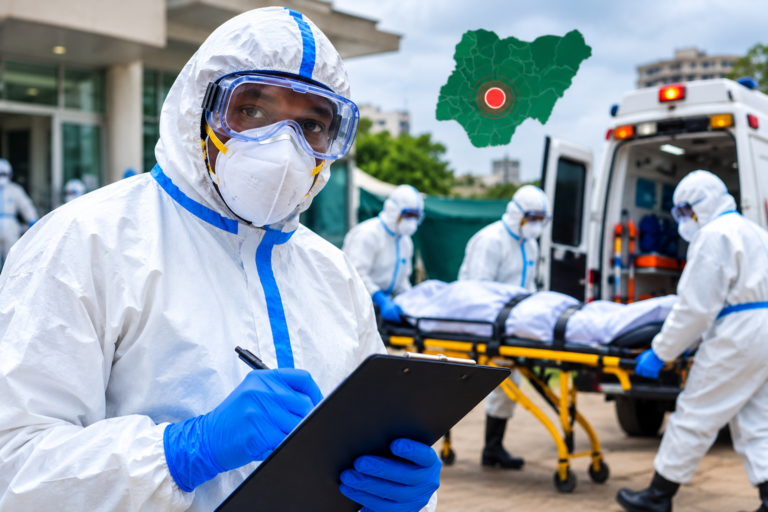





[…] Read more: What You Need to Know About Ebola: Signs and Symptoms, Transmission, Treatment and Prevention […]