Illegal Pesticides in Nigeria: NAFDAC Reports ₦800 Million Seizure
PestInsight News | 11 October 2026
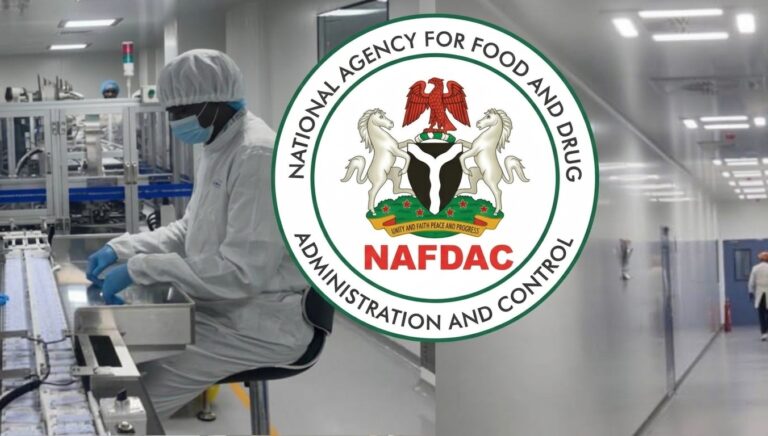
Nigeria’s National Agency for Food and Drug Administration and Control (NAFDAC) has intensified its efforts to eliminate banned, unregistered and falsified pesticides from the country’s markets, reporting seizures of prohibited agrochemicals worth more than ₦800 million across Ogun, Ondo, Osun and Oyo states in 2025.
In a press release published on 9 October 2026, the agency warned that the continued circulation and misuse of illegal pesticides pose significant risks to public health, food safety, agricultural production and the environment.
NAFDAC stated that the applicable phase-out periods for several prohibited pesticide products ended on 1 January 2026. These include products containing paraquat, chlorpyrifos and atrazine, which can no longer legally be manufactured, imported, distributed, sold or used in Nigeria where covered by the completed prohibitions.
Despite these restrictions, the agency reported that prohibited products continue to enter and circulate within the country through illegal importation, unauthorised local production and informal distribution channels.
Between September 2024 and July 2026, enforcement operations in the North-West Zone resulted in the seizure, interception or custody of 2,974 cartons of pesticides containing paraquat, with an estimated value of ₦148.7 million. During the same period, 120 cartons of chlorpyrifos-containing pesticides valued at more than ₦17 million were seized. NAFDAC also reported the interception of 5,619 cartons, equivalent to 67,428 litres, of paraquat products and 500 cartons, equivalent to 5,000 kilograms, of atrazine products in Kebbi State.
The agency further disclosed that packaging materials associated with illicit pesticide manufacturing had been intercepted at Malam Aminu Kano International Airport. In July 2026, four unauthorised agrochemical and pesticide manufacturing facilities were sealed in Bichi, Kano State, following enforcement operations that uncovered unlabeled products and materials linked to illicit production.
Beyond the illegal pesticide trade, NAFDAC raised concerns about the improper use of chemicals in food production and storage. According to the agency, a recent market study on beans identified pyrethroid and dimethoate residues exceeding safe limits in some samples.
The agency explained that pesticide safety depends not only on the chemical used but also on whether it is approved for the intended purpose and applied according to authorised instructions. It warned against practices such as excessive application, inappropriate chemical mixing, using products on crops for which they are not recommended and harvesting produce before the prescribed pre-harvest interval has elapsed.
NAFDAC specifically noted that dimethoate is not approved for preserving harvested beans against pests such as weevils. It also cautioned that even approved pesticides can create food safety risks when used incorrectly. Excessive pesticide residues may expose consumers to harm and contribute to the rejection of agricultural consignments that fail to meet applicable safety standards.
The agency urged manufacturers and importers to comply with registration requirements, while distributors and agro-input dealers were advised to obtain products through legitimate channels and avoid selling banned, falsified or unregistered chemicals. Farmers and other pesticide users were encouraged to purchase from recognised suppliers, follow product label instructions, use recommended quantities and observe applicable waiting periods before harvesting crops.
NAFDAC also outlined measures to strengthen regulatory oversight, including increased market surveillance, product verification, inspections, laboratory testing where necessary, and closer collaboration with government institutions and law enforcement authorities. The agency said it was expanding its investigation and enforcement zonal offices from three to six to improve coverage across Nigeria’s six geopolitical zones. It also reported that more than 2,000 agro-input dealers had received training on identifying genuine products and understanding the risks associated with counterfeit or unapproved pesticides.
The development has important implications for professional pest management companies, agrochemical dealers, farmers and food businesses. Operators who purchase, store or apply pesticides need to verify product registration, maintain appropriate records and ensure that chemicals are used only for authorised purposes. Safe storage, proper handling, responsible disposal and regular staff training are also essential to reducing exposure risks and preventing environmental contamination.
For pest management professionals, the announcement reinforces the importance of integrating chemical safety with broader preventive approaches, including sanitation, monitoring, exclusion and other appropriate integrated pest management practices. Effective pest control should eliminate or reduce pest risks without creating unnecessary hazards for people, food or the environment.
Members of the public who suspect that a pesticide product is prohibited, falsified, unregistered or unsafe can report their concerns to NAFDAC through nafdac@nafdac.gov.ng or reforms@nafdac.gov.ng. Further information is available on the agency’s official website at https://nafdac.gov.ng/.
NAFDAC emphasised that pesticide safety is a shared responsibility involving regulators, manufacturers, distributors, farmers, professional users and consumers. Its latest announcement highlights the need for continued enforcement, improved public awareness and responsible chemical management to protect Nigeria’s food supply, public health and environment.
Read more: List of Reclassified Pesticides and Updated List of Banned Pesticides in Nigeria
Source: National Agency for Food and Drug Administration and Control (NAFDAC), Reaffirms Commitment to Curb Illegal Pesticides, Protect Food Safety and Safeguard Nigeria’s Agricultural Future, published 9 October 2026.
Read the original announcement: https://nafdac.gov.ng/reaffirms-commitment-to-curb-illegal-pesticides-protect-food-safety-and-safeguard-nigerias-agricultural-future/
This report is based on NAFDAC’s published statement. Readers should consult the agency for confirmation of current product-specific restrictions and regulatory requirements.